Review
Start with what exists. One system, one architecture review, one clear diagnosis — before anyone talks about strategy or roadmap.
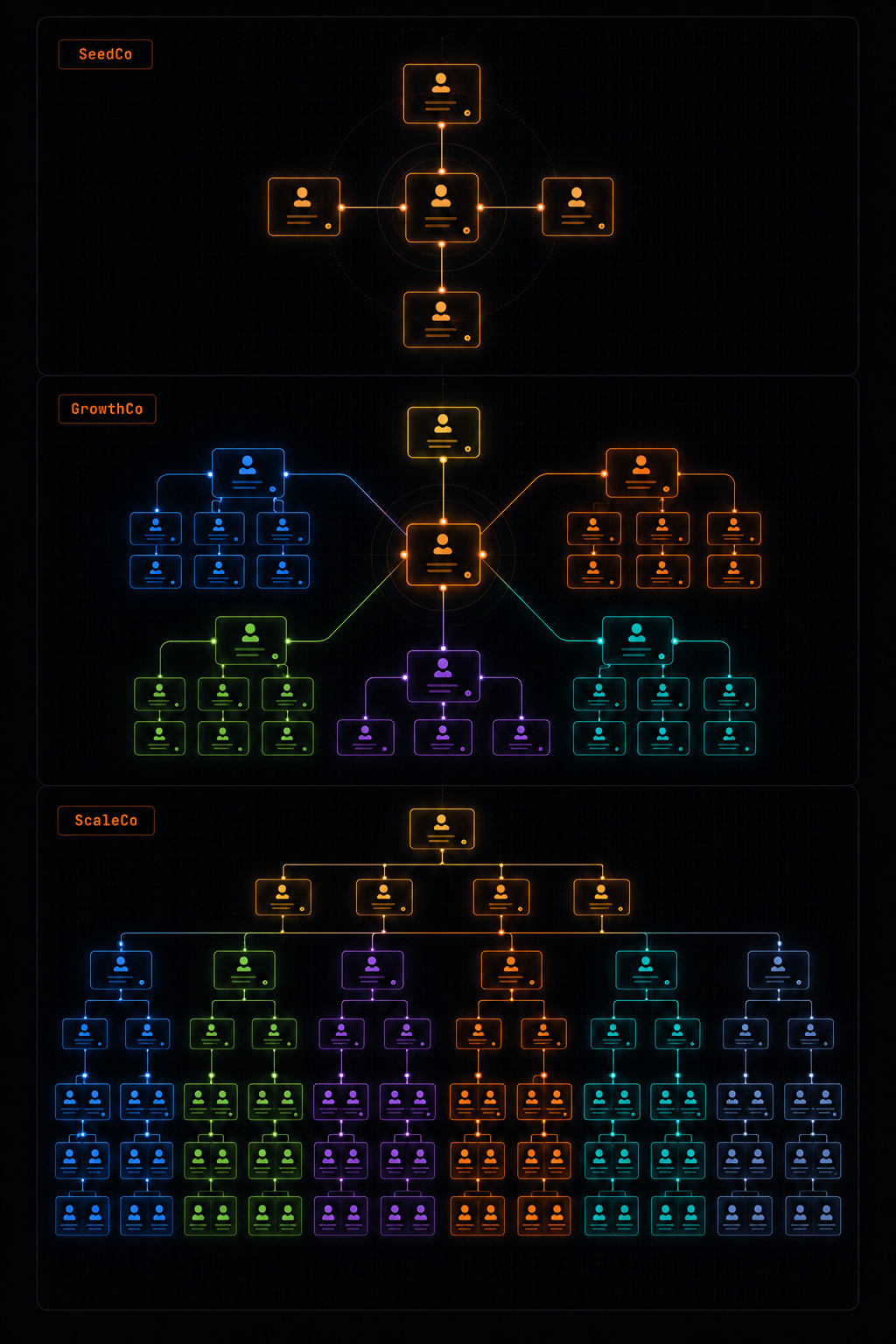
Three ways to work together. Each engagement maps to one phase of the flywheel — start where you need the most leverage, then compound from there.
Start with what exists. One system, one architecture review, one clear diagnosis — before anyone talks about strategy or roadmap.
Evidence-based direction that actually lands. Architecture reviews, infrastructure decisions, and whatever's most useful that week — not a scheduled status update.
Working system, proven approach — now operationalize. Design and ship a multi-agent system for whatever problem is costing you the most right now.
Each phase builds on the last. Strategy follows proof. Systems scale from the ground up, not from theory. The flywheel keeps turning.
Agent workflows break in predictable ways: sessions that won't reconnect, headless browsers that get blocked on the first request, CLIs that need hours of setup on a new machine. Every artifact in this toolkit started with one of those real failures and became a reusable fix.
The result is a provider-agnostic collection — SDLC pipeline skills that catch ambiguity early, automation tools that handle real-world browser environments, zero-dependency CLI tools that work the second you download them, and Hermes-native integrations that keep remote agents recoverable instead of fragile. Running in daily production across a multi-agent squad.
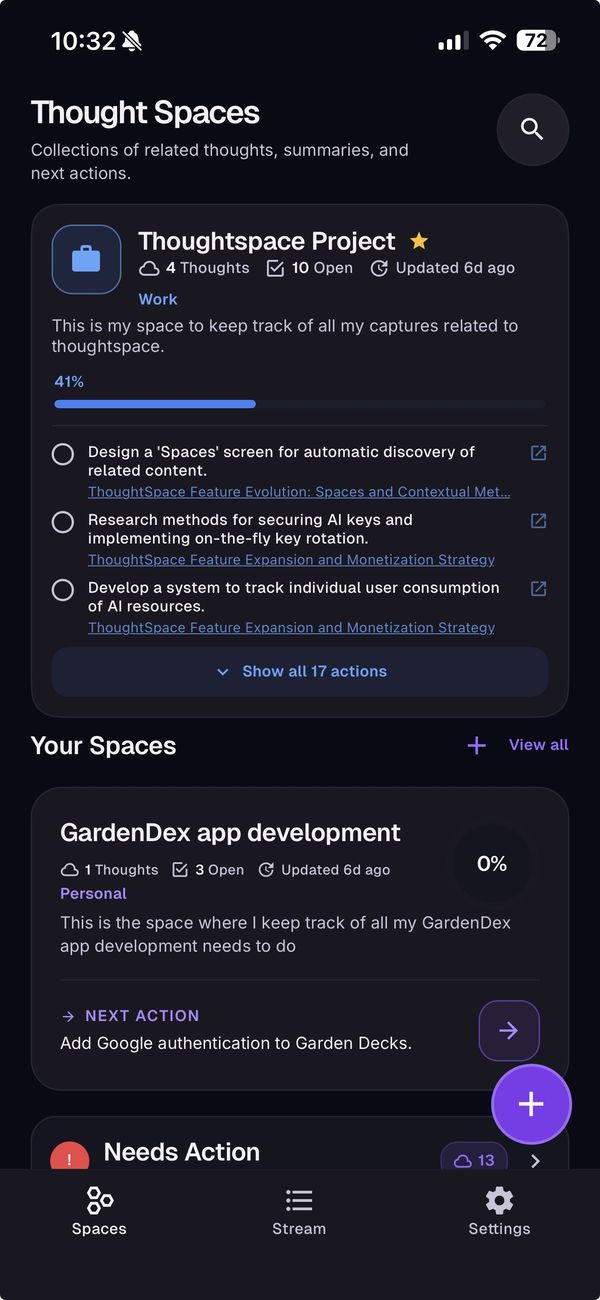
Problem: Personal knowledge management lacks AI-assisted organization and frictionless cross-device sync.
Built: A React Native mobile app with Firebase Cloud Functions, Firestore, Auth, and OpenRouter AI proxy.
Outcome: In private beta with StoreKit IAP integration and real user feedback driving iteration.
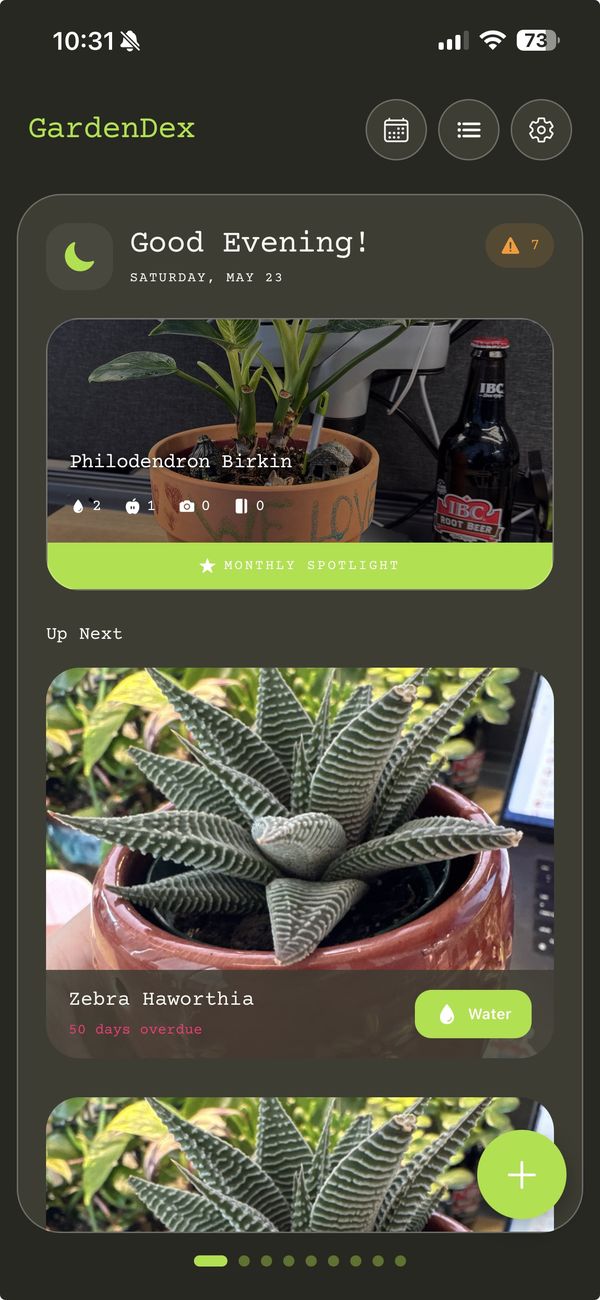
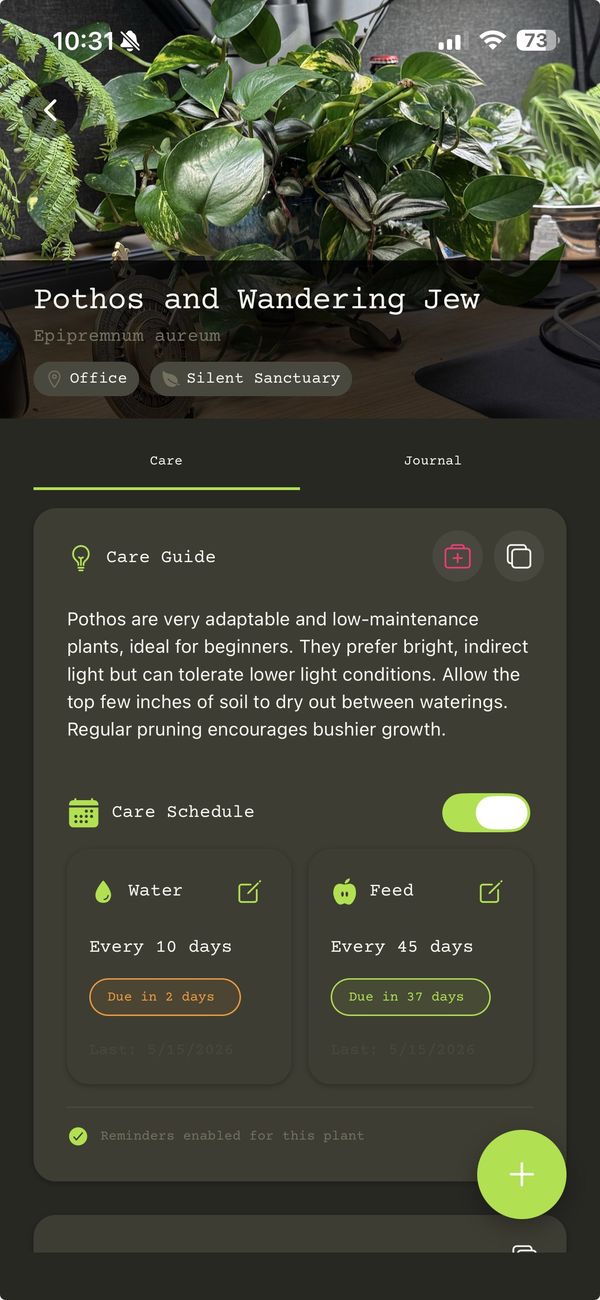
Problem: Plant owners need a smart directory that identifies species, tracks care, and keeps plant data organized across devices.
Built: A React Native mobile app with AI-powered plant identification from photos, care suggestions, location tagging, and a searchable plant database.
Outcome: Live at gardendex.app with plant recognition, personalized care reminders, and a growing user base.
Problem: Coordinating a team of specialized AI agents across research, coding, QA, and PM tasks.
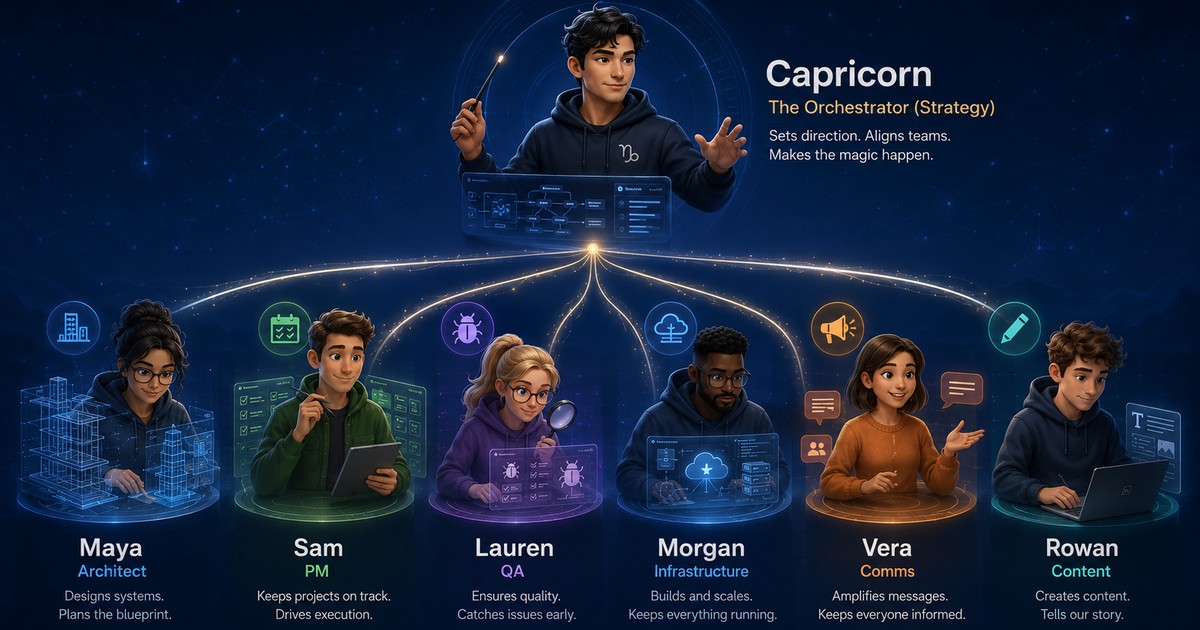
Built: A kanban-driven orchestration system with 6 agent profiles, automated dispatch, and heartbeat monitoring.
Outcome: Active pipeline delivering code changes, research, and documentation on a daily cadence.
The story of how a session failure, a blocked browser, and one too many setup sessions turned into a reusable toolkit.
One agent trying to be everything hits a ceiling that looks exactly like burnout. The 7-week journey from generalist amnesia to a crew of 7 that argues in ticket comments — and why the arguing is the point.
Headline API rates aren't the real cost. Cache hit rate, context window, and architecture implications matter more. Here's what to actually look at when evaluating inference at scale.
Let's talk about your goals and how codegrit.dev can help you move work forward.